
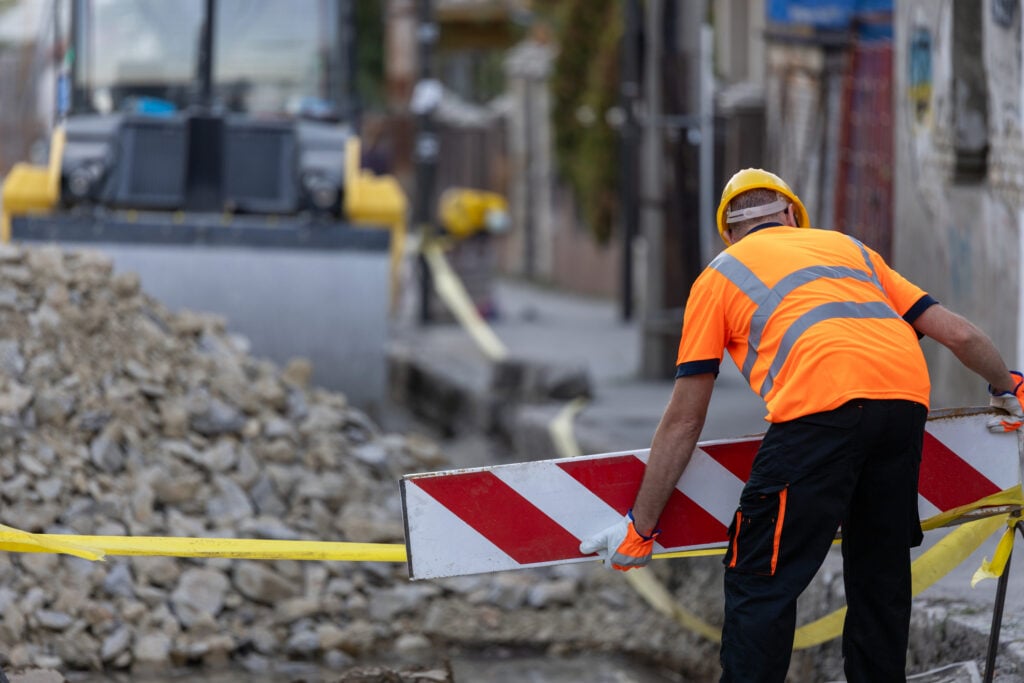
April in Rockford is synonymous with the return of orange cones and detour signs. As the Illinois Department of Transportation (IDOT) ramps up major projects on 11th Street and Jefferson Street, the complexity of our local commute increases. Unfortunately, these zones are hotspots for collisions due to narrow lanes, shifting traffic patterns, and sudden stops. At Shindler & Shindler, we know that an accident in a work zone is never a simple “fender bender.” It involves a tangled web of private contractors, municipal regulations, and specific safety standards.
As an experienced Rockford Accident Lawyer, we provide a clear, step-by-step process for those injured in these areas. We offer direct access to Rob and Keith, ensuring that your case is handled by partners who understand the nuances of Illinois construction law. There are no gimmicks here: just a family-owned firm dedicated to protecting our neighbors from the high-pressure tactics of corporate construction insurance.
Step 1: Identifying the Liable Parties
The first step in a construction zone claim is determining who is actually at fault. It is rarely just the other driver. In many cases, the construction company itself may be liable if the site was poorly marked or if barriers were placed in a way that created a hazard. In Northern Illinois, large contractors are often hired by the city or state, which adds a layer of governmental complexity to the case.
Because we are Rockford personal injury lawyers with deep local roots, we know how to track down the specific permits and contracts for local projects. This allows us to identify every potential insurance policy involved. Whether the negligent party is a private paving company or a subcontractor, we ensure no one escapes accountability.
Step 2: Securing Evidence from the Scene
Evidence in a construction zone disappears faster than in almost any other type of accident. Once the work shift ends or the project moves to a new phase, the physical layout of the cones and barriers changes. This is why immediate action is required. We work to secure high-resolution photos of the signage, the condition of the pavement, and the placement of heavy equipment like “crash attenuator” trucks.
We also look for digital evidence. Many modern construction vehicles are equipped with cameras, and IDOT often uses traffic monitors in high-density areas like the 11th Street corridor. We send out immediate spoliation letters to prevent these companies from deleting footage. By acting quickly, we lock down the facts before the “orange cones” are moved to the next block. This “boots on the ground” approach is a hallmark of our tenacious legal strategy.
Step 3: Navigating Government Immunity and Filing Deadlines
If the accident was caused by a defect in how the City of Rockford or the State of Illinois designed the work zone, you face much shorter deadlines than a typical car crash. Illinois law provides certain immunities to government entities, and the statute of limitations can be significantly shorter for municipal claims. Missing a filing deadline by even one day can result in your case being dismissed permanently.
This is where our philosophy is most important. We are honest about the hurdles of suing a government entity. We understand the specific notice requirements for the Illinois Court of Claims and local municipal codes. We don’t guess at these deadlines: we manage them with military precision to ensure your right to recover is never jeopardized.
Step 4: Documenting Work Zone Injuries and Damages
Injuries in construction zones are often severe because of the “pinch point” nature of these areas. When a truck accident happens in a narrow lane, there is nowhere for the smaller vehicle to go. This leads to high-impact collisions and significant physical trauma. We document every aspect of your medical recovery, from initial surgery to long-term physical therapy.
We also account for the “human” cost of the accident. If you can no longer work your job in one of Rockford’s manufacturing plants or if you can’t enjoy the spring weather with your kids, that loss has value. We work with experts to calculate your future medical needs and lost earning capacity. We provide a human-centric approach that ensures the insurance company sees the person, not just the medical codes.
Step 5: Negotiation and Litigation
Finally, we move into the negotiation phase. Construction insurance companies are notoriously aggressive. They will try to claim that the driver was “confused” and therefore it wasn’t the contractor’s fault. We cut through these excuses with the evidence we gathered in Step 2. If the company refuses to offer a fair settlement, we are fully prepared to take the case to court.
Our promise is that we explain every offer to you in plain English. You have direct access to Rob and Keith to discuss whether a settlement is truly in your best interest. We don’t settle for the sake of speed: we settle when the number is right for your family’s future. We have spent years fighting for the people of Northern Illinois, and we know exactly what it takes to win against these massive corporations.
Hurt in a Rockford work zone? Don’t let the contractors push you around. Call Rob and Keith at (847)-WE-FIGHT or contact us today for a free consultation.
Key Takeaways:
- Liability in work zones can fall on drivers, private contractors, or government entities.
- Immediate evidence preservation is critical as construction site layouts change daily.
- Filing deadlines for claims involving government entities are much shorter than standard claims.
- Adhering to IDOT safety standards is a legal requirement for all Northern Illinois contractors.
- You get direct access to Rob and Keith to navigate the complex multi-party insurance disputes.
FAQs
Can I sue the City of Rockford for a construction zone crash?
Yes, you can file a claim against a municipality if the accident was caused by a dangerous road design or a failure to maintain proper safety warnings. However, these cases are subject to strict notice requirements and shorter filing deadlines under Illinois law.
What if I was speeding in the work zone when I was hit?
Illinois uses modified comparative negligence, meaning you can still recover damages as long as you are 50% or less at fault. While speeding may reduce your total compensation, it does not automatically prevent you from holding a negligent contractor or driver accountable.
How do I know which construction company was working on the road?
We identify the responsible companies by pulling public records, project permits, and IDOT contracts. This allows us to find the specific insurance policies that cover the workers and the site management for that specific stretch of road.