
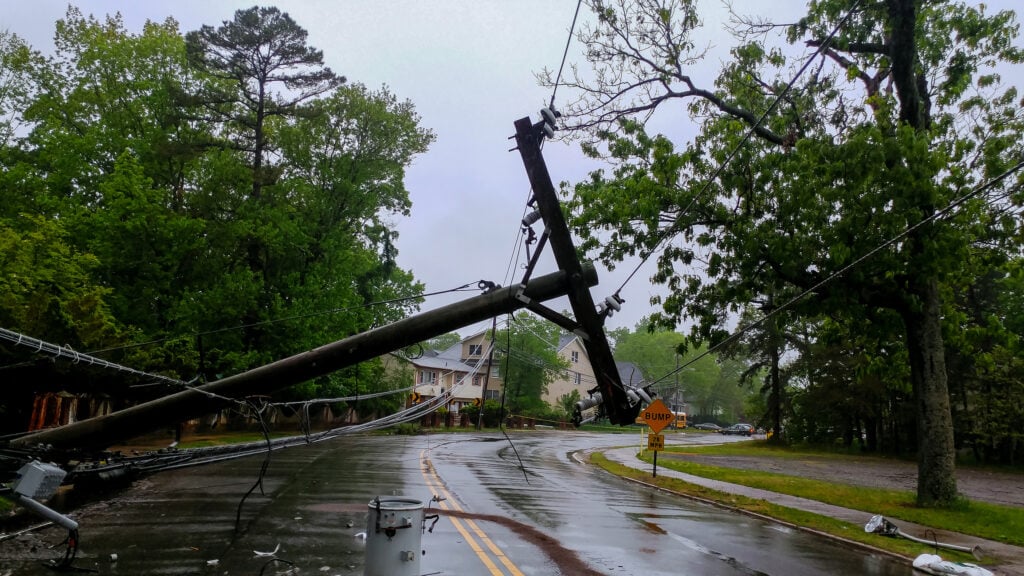
April in Northern Illinois can turn from a quiet spring morning into a severe weather emergency in a matter of minutes. Recent events, including the confirmed EF-1 tornadoes in our region and high-wind warnings across Winnebago County, have left many drivers dealing with the aftermath of storm-related collisions. When a driver loses control during a 60mph gust or strikes debris that was blown onto the road, insurance companies often use a specific phrase to deny the claim: “Act of God.”
At Shindler & Shindler, we know this is often just a tactic to avoid paying. As a Car Accident Attorney in Rockford, we see that many “storm accidents” are actually caused by a driver’s failure to respect the weather. We offer a “no gimmicks” approach to these cases, providing direct access to Rob and Keith to help you fight back against unfair denials. We are a family-owned firm that understands the unique challenges of driving in Northern Illinois during the spring gale season.
Demystifying the “Act of God” Defense
An “Act of God” is a legal term for an event that is entirely due to natural causes and could not have been prevented by human foresight or care. While a tornado itself is an Act of God, the decision to continue driving at 70 mph during a National Weather Service (NWS) Severe Weather Warning is a human choice. If a driver fails to pull over or reduce their speed when a storm hits, they may still be held liable for the resulting crash.
If a private citizen ignores the visible signs of a developing storm and their car is blown into your lane, they have breached their duty of care. The law expects drivers to be aware of the environment. In Rockford personal injury lawyers circles, we call this the duty to maintain control under the prevailing conditions.
We investigate these cases by looking at the timing of weather alerts. If a driver was on the road twenty minutes after a Tornado Warning was issued for their specific area, we argue that they were negligent for putting themselves and others in a foreseeable danger. We don’t accept the “it was just the wind” excuse: we look for the human error behind the collision.
Liability for Hitting Storm Debris
Another common April scenario involves hitting branches, shingles, or other debris that has blown onto the road. If you swerve to avoid debris and hit another car, who is at fault? In many cases, the driver who swerves can be held liable because they failed to maintain their lane. However, if a property owner was negligent in securing an item that eventually blew onto the highway, they might share in the liability.
This is a complex area of law that requires real lawyers to investigate. We look at whether a local business or homeowner failed to secure materials that were known to be a risk during high winds. For example, if a construction site on Jefferson Street didn’t secure its barriers during a forecast gale and those barriers caused a car accident, the contractor may be responsible.
We use our unique approach to explain these nuances clearly. We help you understand that while you can’t sue the wind, you can hold people and companies accountable for their failure to prepare for the wind. Our deep knowledge of Northern Illinois weather patterns and local liability standards gives our neighbors a significant advantage when dealing with insurance adjusters.
The Role of Driver Negligence in High-Wind Events
High winds create a “sail effect,” especially for larger vehicles. When we handle truck accidents or SUV crashes during April storms, we often find that the driver was simply going too fast for the wind speed. Commercial truck drivers have specific safety training for “high-profile” vehicles in wind, and if they ignore those standards and tip over or drift into your car, it is a clear case of negligence.
Distraction also plays a major role. A driver who is looking at a weather app on their phone instead of keeping both hands on the wheel during a gust is twice as likely to lose control. We pull phone records and vehicle data to prove that the driver was not paying the necessary attention to the road. There are no gimmicks in our investigation: we use hard data to cut through the insurance company’s storytelling.
We treat every client like family, which means we don’t let you be intimidated by adjusters who tell you that “no one is at fault for the weather.” We know the local roads from Belvidere to Rockford, and we know how a 50 mph gust feels on the bypass. We use that real-world experience to build a case that reflects the reality of the crash.
Why You Need Direct Access After a Storm
Dealing with storm damage is stressful enough without a legal battle. By providing direct access to Rob and Keith, we take the weight off your shoulders. You aren’t calling a hotline or a case manager: you are calling the lawyers who will be standing up for you in court. We provide the personal connection and the tenacious advocacy that Northern Illinois residents have relied on for years.
We are a family-owned firm, and we take our reputation seriously. We provide honest answers to your questions and a transparent view of the legal process. If the storm has left you with medical bills, a totaled car, and a mountain of paperwork, let us handle the insurance companies. We ensure that you are compensated for your physical injuries, your lost time at work, and the trauma of the event.
April storms are a part of life in Rockford, but being a victim of negligence doesn’t have to be. We are here to ensure that “Acts of God” aren’t used as an excuse for human carelessness. Let us help you get your life back on track with a no-nonsense legal strategy that gets results.
Crashed during the April gale? Talk to real lawyers who know the local weather. Call Rob and Keith at (847)-WE-FIGHT or contact us today for a free consultation.
Key Takeaways:
- “Act of God” is not a valid defense if the driver had time to pull over or reduce speed.
- Drivers have a legal duty to monitor weather warnings and adjust their behavior accordingly.
- Property owners or contractors can be liable if they fail to secure debris that blows into traffic.
- High-wind accidents often involve a component of driver negligence or poor vehicle handling.
- You get direct access to Rob and Keith to counter the insurance company’s attempts to deny storm claims.
FAQs
Is a driver at fault if they hydroplane during a severe storm?
Yes, in most cases, a driver is still at fault for hydroplaning because the law requires them to maintain a safe speed for the road conditions. Traveling at the posted speed limit during a storm is often considered negligent if the road is covered in water.
What if I hit a piece of a neighbor’s roof that blew onto the road?
If the roof was in a state of disrepair before the storm and the neighbor failed to maintain it, they might be partially liable. However, these cases are complex and usually focus on the driver’s ability to avoid the object if they were driving at a safe speed.
Does my insurance cover a storm-related car crash?
If another driver was negligent, their liability insurance should cover your damages. If the accident was truly an “Act of God” with no human fault, your own comprehensive or collision coverage would typically apply, depending on your policy details.